
A missed black is rarely just a missed black. It may begin with an unstable stance, a cue action that changes under pressure, poor shot selection two visits earlier, or practice that has become little more than knocking balls about. The best snooker training resources help you identify the real cause, then give you a repeatable way to correct it.
For players who care about improving, fragmented advice is the enemy. A useful resource does more than show a striking shot or offer a quick tip. It builds a clearer understanding of technique, tactics, routines and match temperament – the parts of the game that hold up when the frame is tight.
What the Best Snooker Training Resources Should Deliver
The standard of a resource is not decided by how entertaining it is or how many drills it contains. It is decided by whether it changes what you do at the table. Good instruction gives you a clear picture of the movement, explains why it matters, and shows how to practise it until it is dependable.
Start with technical foundations. Your stance, grip, bridge hand, cue delivery and timing are not glamorous subjects, but they decide whether you can strike the cue ball accurately enough to develop every other part of your game. If a resource skips these details, it may provide inspiration without a platform for genuine progress.
It should also treat snooker as the tactical sport it is. Potting percentage matters, yet so do route planning, cue-ball control, safety choices, break-building patterns and knowing when not to attack. A player who pots well in open practice but repeatedly leaves chances in matches does not need more trick shots. They need better decisions.
Finally, look for a method of practice. The most valuable training helps you move from watching to doing. That means specific exercises, ways to judge whether you have improved, and guidance on what to revisit when a weakness returns. Without this bridge, even excellent instruction becomes passive viewing.
The Best Snooker Training Resources by Need
No single format suits every player at every stage. The right choice depends on whether you need a technical reset, regular feedback, tactical understanding or a structure that makes practice purposeful.
A structured video course for a complete framework
A high-quality course is the strongest option for players who are tired of collecting disconnected advice. Its advantage is sequence: you can work through the game in the order it needs to be learned, rather than trying to repair a cue action after spending weeks on advanced positional shots.
Look for lessons that cover the full table, from the address position and cueing through to break-building, safety and the mental demands of competition. Production quality also has practical value. Multiple angles, clear demonstrations and close-up analysis make it easier to see the small details that can be missed in a crowded club or a short social clip.
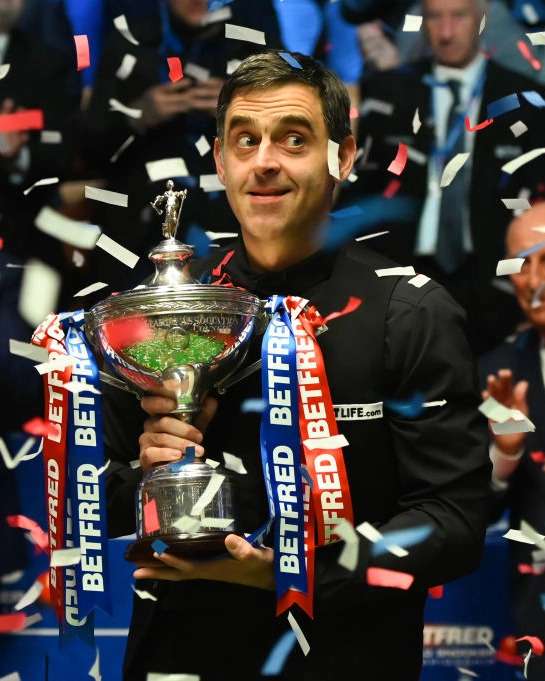
The Rocket Method is designed around that complete approach, with Ronnie O’Sullivan sharing the techniques, thinking and standards that have defined a record-breaking career. For beginners, structured instruction removes uncertainty. For established amateurs, it provides the chance to revisit familiar parts of the game with a professional’s precision rather than relying on habit.
A course is particularly useful when access is lifetime rather than tied to a monthly subscription. Technical changes take time. Being able to return to a lesson before a practice session, after a poor match or during a period of rebuilding is more valuable than racing through material once.
One-to-one coaching for immediate feedback
A capable coach can see faults that players cannot feel. You may believe the cue is travelling straight while your back hand is tightening, your head is moving, or your elbow is dropping at the point of contact. Live feedback can shorten the process of identifying those problems dramatically.
This is often the best investment when a specific technical issue is holding you back, especially if you have tried to correct it alone without success. It can also be invaluable before an important league season or competition. The trade-off is consistency and cost. A single lesson may expose a flaw, but it takes disciplined practice between sessions to make the correction automatic.
The strongest combination is often a coach for diagnosis and a structured library of expert instruction for reinforcement. That allows you to use paid table time well while keeping the key movements and practice standards fresh at home or at the club.
Practice routines and training aids for turning knowledge into skill
Knowledge does not produce a better cue action. Repetition does – provided the repetition is accurate. This is where routines earn their place. Line-up drills, long-potting exercises, cue-ball control patterns and safety exchanges can reveal whether your game is improving in measurable terms.
Training aids can help, but they should support a sound process rather than replace one. Alignment tools, practice balls and marked cueing guides may make an error easier to see. They cannot teach judgement, touch or table awareness on their own. If you use them, set a simple objective: identify the error, make a correction, then test whether it transfers to normal balls and normal conditions.
Keep a short practice record. Note the drill, the result, what felt different and the one adjustment you will carry into the next session. This need not become a spreadsheet exercise. A few honest lines stop practice becoming vague and make plateaus easier to understand.
Match footage and analysis for better decisions
Watching elite snooker can be an education when you know what to watch. Do not focus only on the final pot. Watch the player’s choice of shot, the percentage route, the use of side, the pace of the cue ball and the safety left when the break ends. Professional players often make difficult frames look simple because their decisions reduce risk before the pressure shot arrives.
Your own footage is just as useful. Record a few minutes from behind and from the side when you are practising. Compare what you see with what you think you are doing. Many players discover that their perception of their stance or delivery is several inches away from reality.
Be selective with analysis. Trying to change five things at once is a reliable way to change nothing. Choose the fault with the greatest effect on your scoring or consistency, work on it for several sessions, then reassess.
How to Avoid Fragmented Snooker Advice
Free clips, forum discussions and club-room tips can all have value. They can introduce an idea, answer a narrow question or provide fresh motivation. The problem begins when they become your whole training plan.
Advice without context is easy to misapply. A professional may use a particular cue-ball technique because the situation demands it, while an amateur copies the movement without possessing the stable delivery beneath it. Equally, a tip that works for a player with one natural stance may not suit another player’s build, eyesight or cueing rhythm.
Use short-form advice as a supplement, not the spine of your development. Give priority to resources that explain principles, show the detail and connect each skill to its place in a complete game. This protects you from chasing novelty every week while the fundamentals remain unresolved.
Build a Training Plan That Fits Your Game
A serious plan does not require daily hours at a private table. It requires clarity. Begin by naming your current priority in practical terms: improve straight cueing on long pots, control the cue ball through the blue-pink area, or make your safety returns more deliberate. “Get better” is too broad to guide a session.
Then divide your table time with purpose. Spend the first part on the technical movement or drill, the middle on applying it under slightly more demanding conditions, and the final part in frame-like play where you must make decisions. This matters because a perfectly repeated practice shot is not automatically a match shot.
Review after two or three weeks, not after every bad evening. Snooker improvement is rarely linear. Some changes feel awkward before they become natural, and short-term results can dip while you remove an old compensation. The question is whether the new process is becoming more reliable, not whether every ball has dropped.
For clubs and groups, shared access to a structured resource can create a stronger coaching culture. Players can work from the same principles, compare practice standards and discuss situations with more precision than simply saying someone is “cueing badly”. It makes improvement a collective expectation rather than an occasional ambition.
The resource that changes your game is the one you return to with intent. Choose instruction worthy of your attention, practise one meaningful area at a time, and let the evidence on the table – cleaner striking, smarter safeties and calmer decisions – show you what is working.