
A missed long red rarely comes down to a lack of information. Most players already know they should stay still, cue straight and follow through. The real challenge is recognising what your own body is doing under pressure, then correcting it before the next frame. That is the central difference in online snooker tuition versus books: one can show a standard, while the other can help you see, understand and repeat it.
Books remain a valuable part of snooker education. A well-written coaching book can sharpen your thinking, explain the geometry of the game and give you a reference point between practice sessions. But for a sport built on movement, timing and feel, the way knowledge is delivered matters as much as the knowledge itself.
Online Snooker Tuition Versus Books: The Core Difference
A snooker book asks you to translate written instruction into physical action. An online course lets you watch the action unfold. You can see the player’s stance settle, the cue delivery remain true, the rhythm of the backswing and the quietness after contact. Those details are often where a player’s improvement is won or lost.
This is not an argument that every book is outdated or every video lesson is automatically useful. A vague video is no better than a vague paragraph. The advantage comes when tuition is structured, demonstrated by a credible player and organised around the way skills actually develop at the table.
For beginners, this visual clarity can prevent poor habits becoming ingrained. For established players, it can expose the tiny inconsistencies that have held back break-building, long-potting or positional control for years.
What Books Still Do Exceptionally Well
The strongest snooker books reward patience. They give players time to absorb a tactical idea without being rushed into the next lesson. Safety play, shot selection, scoring patterns and match psychology can all work very well on the page because they require thought as much as movement.
A book is also portable, permanent and usually inexpensive. It can sit in your cue case, travel with you to the club and offer a useful reminder before league night. Some players simply learn well through reading, making notes and returning to a chapter after a difficult match.
There is a particular value in reading a player’s perspective too. Great books can communicate the discipline behind elite performance: why professionals play the percentage shot, how they manage their temperament and when they decide not to attack. That wider understanding can make a recreational player far more intelligent around the table.
The limitation is that a book cannot show you whether your cueing resembles the description. It cannot slow down a clearance, show the exact pace of a stun shot or make clear how little a top player moves when the pressure rises. The reader must supply much of the interpretation.
Why Demonstration Changes Technical Learning
Snooker is precise enough that small errors have large consequences. A grip that tightens before impact, a head that lifts slightly, or a cue that drifts across the line can turn a routine pot into a miss. Reading about those faults is useful. Seeing them, and seeing the correct alternative from several angles, gives the instruction far greater practical force.
Good online tuition makes the invisible visible. It can pause at the set-up, isolate the action of the cue arm, compare shot types and return to a key principle whenever the lesson demands it. A player can replay a section immediately before practising instead of trying to remember a paragraph read several days earlier.
That repetition matters. Improvement is rarely created by one inspiring session. It comes from returning to the same standard until a new movement becomes familiar. Video tuition supports that process because the lesson remains available at the moment it is needed – at home, in the club or before a focused practice session.
It also helps players understand tempo. Few elements of cue action are harder to learn from text than rhythm. The pause at the back of the cue, the smooth acceleration through the ball and the still finish are not just technical instructions. They are physical sequences. Watching a world-class player execute them removes much of the guesswork.
Structure Beats Random Advice
Many snooker players own a book, watch clips online and take occasional advice from a stronger player at the club. There is nothing wrong with any of that. The problem begins when the advice is fragmented.
One day the focus is on stance, the next day on side, then a tip about a difficult safety. Without a clear order, players can work hard while never building a dependable base. They may try advanced positional shots before they can deliver the cue consistently, or blame their tactics when the real issue is poor contact.
A serious online course should create progression. It should begin with the fundamentals that make every shot more reliable, then develop potting, cue-ball control, break-building, tactical choices and the mental standards required to perform. Each lesson should answer a practical question: what should I practise next, and why?
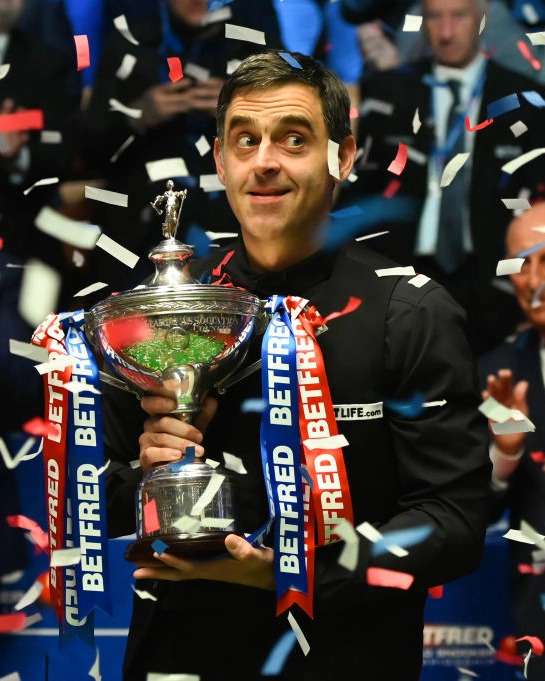
That is where premium tuition earns its place. The Rocket Method brings Ronnie O’Sullivan’s playing philosophy into a structured masterclass, supported by professional analysis and cinematic demonstration. Rather than collecting isolated tips, players can study the habits, decision-making and technical standards behind exceptional snooker.
Feedback Is the Deciding Factor
There is one important distinction to make. Pre-recorded online tuition is not the same as one-to-one coaching. A personal coach can watch your action in real time, identify your individual flaw and adjust the lesson accordingly. For a player with a serious technical issue, that direct feedback can be the fastest route forward.
However, one-to-one coaching is not always available, affordable or consistent. Quality varies, travelling takes time and a single session can be forgotten unless the player has a clear resource to revisit afterwards. A high-standard digital course sits between the book and the coach: more demonstrative and structured than reading alone, but more accessible than regular private tuition.
Books offer no direct feedback at all. Their effectiveness depends on the player’s ability to self-diagnose honestly. That can work for disciplined, experienced players who film their practice or have a knowledgeable practice partner. It is harder for the player who cannot tell whether their cue action is straight, their stance is balanced or their cue-ball control is actually improving.
Cost, Convenience and Long-Term Value
A book is the lower-cost option, and that matters. If you want a thoughtful introduction to snooker tactics or a simple reference on the game, it may be exactly the right purchase. There is no need to overcomplicate a modest goal.
Online tuition typically costs more because it combines expert instruction, production, visual demonstration and a planned curriculum. The better question is not which format has the lowest price, but which one is most likely to change your practice. A resource that is revisited for months and turns unfocused hours into purposeful training may offer more value than several books left unread on a shelf.
Convenience also favours digital learning. You can watch a lesson when the club is closed, refresh a principle before a match or revisit a difficult section after a poor session. For players outside major snooker centres, this access to elite-level insight is especially significant.
Choose the Format That Matches Your Goal
Choose a book if you enjoy learning through reading, want tactical perspective or need an affordable supplement to your existing practice. It is a fine choice for building your understanding of the game.
Choose online tuition if your priority is technical improvement, clear demonstration and a training structure you can follow at your own pace. It is particularly valuable if you have plateaued, struggle to turn advice into action or want to study how elite players approach the table.
The strongest approach may be to use both. Let books deepen your strategic understanding, then use visual tuition to bring that knowledge into your stance, cue action and shot selection. Just do not confuse collecting information with improving.
The next time you practise, set one measurable intention: make twenty deliveries with a still head, play a chosen cue-ball route repeatedly, or assess every attacking option before getting down on the shot. The right learning resource should make that next hour at the table more deliberate – and every deliberate hour gives you a chance to play closer to your best.