
A cue action can feel perfect on the practice table and disappear the moment a frame matters. If you are asking, why is my cueing inconsistent, the answer is rarely that you lack talent or need to force the cue through straighter. More often, a small variation in your set-up is asking your arm, hand and eyes to solve a different shot every time.
The best players do not produce consistency by trying harder. They remove variables. Their stance brings the cue to the line naturally, their bridge gives the cue a reliable channel, and their routine makes the same action available when the score is close. That is the standard to work towards: a repeatable process, not a lucky run of pots.
Why Is My Cueing Inconsistent? Start Before the Delivery
Most players judge their cueing by the final forward swing. By then, the real error may have happened ten seconds earlier. If your body is slightly off-line, your head has drifted, or your grip has changed position, the delivery becomes a last-second correction rather than a free swing.
A simple test is to play a series of straight blue-to-middle pots with no concern for score. Watch the cue during the feathers and follow-through. Does it travel along the intended line, or does the tip make a small loop? Then repeat the same shot after walking around the table and addressing it again. If the result changes, investigate your address position before blaming your striking arm.
Consistency begins when the cue has a clear path. You should not have to steer it towards the cue ball.
Your Stance May Be Fighting the Shot
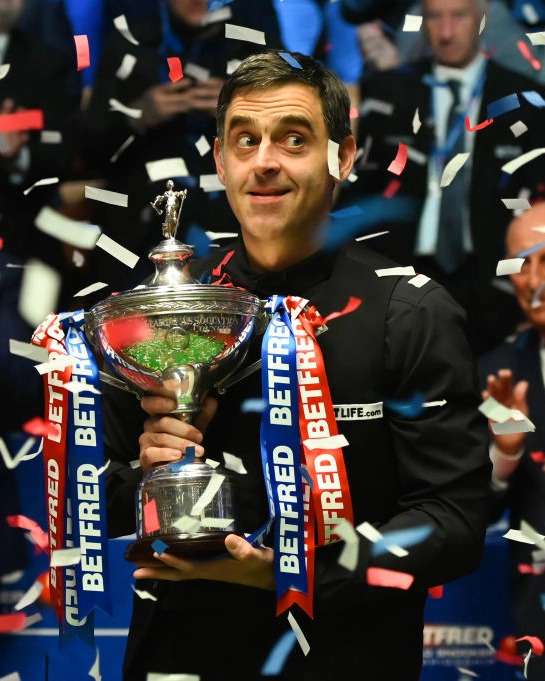
A sound stance is not about copying somebody else’s shape. Ronnie O’Sullivan’s natural posture will not be identical to yours, and forcing a visual imitation can create tension. What matters is whether your stance lets your cue arm swing freely, your chin settle consistently, and your eyes see the line without strain.
If you regularly miss to one side, check whether you are standing too square or too open for your own build. Many players place their feet, bend down, then discover that the cue is not under their dominant eye. They compensate by moving the cue sideways with the grip hand. It may work once. It will not hold up over a long session.
Build the stance from the shot line outwards. Place the cue on the line first, settle your bridge hand, then bring your body to the cue. Once down, avoid shuffling and searching. A player who is never fully settled cannot expect a settled cue action.
Grip Pressure Changes More Than You Think
An inconsistent grip is one of the quickest ways to introduce unwanted side movement. The hand should support the cue, not imprison it. When pressure rises, many amateurs squeeze the butt on the final backswing or jab at the cue ball through impact. The cue then twists, the tip contacts the white away from centre, and a simple pot becomes a mystery.
Notice whether your knuckles whiten when a shot feels important. Also watch the position of your grip hand. If it creeps up or down the butt between shots, your cue-arm pendulum changes length. That alters the bottom of the swing and makes cue-ball striking less predictable.
Use enough hold to keep the cue secure, but no more. On routine shots, let the fingers remain soft through the delivery. This does not mean a floppy hand. It means controlled relaxation, with the cue able to travel through the line rather than being dragged sideways.
The Bridge Is Your Cueing Channel
Players often obsess over their back hand while accepting a bridge that changes from shot to shot. Yet the bridge determines where the cue begins. If its height, length or firmness varies, you are creating a new cueing problem before the backswing starts.
For ordinary stun and screw shots, use a bridge length that gives you room to feather and deliver smoothly without feeling stretched. A very short bridge can encourage a jab. An excessively long bridge can make the cue feel unsupported. Neither measurement is universal, but your chosen position must be repeatable.
Pay particular attention to the bridge on awkward shots. When reaching, using the rest, or playing close to a cushion, players tend to rush because the position feels unfamiliar. Slow the routine down. Confirm the cue tip is on the intended point of the cue ball, make deliberate feathers, and only deliver when the line still looks right.
Stop Changing Your Eyes During the Shot
Poor sighting is often mistaken for poor cueing. You may be striking the cue ball exactly where intended, but choosing the wrong line because your head position changes every time you go down.
Find a head position that allows your dominant eye to see clearly along the cue. There is no single magic place for every player. Some feel comfortable with the cue close beneath the chin; others need a little more space. The key is that you can return to the same visual picture without craning your neck or tilting your head.
During the final delivery, keep your eyes quiet. Decide whether you look at the object ball or cue ball last according to the shot, but do not let your gaze flick back and forth in panic. On a straightforward pot, many players benefit from finishing their visual check on the object ball, trusting the cue to stay on the line they have already established.
Rhythm Is More Reliable Than Force
Cueing consistency has a rhythm. Watch a composed player and the backswing, pause and delivery appear connected. There is no frantic change of pace when the cue approaches the ball. Under pressure, that rhythm becomes even more valuable because it gives the mind something familiar to follow.
A common fault is accelerating the backswing when a player wants more power. This can cause the shoulder to join the movement and pull the cue off-line. For a firmer shot, allow a slightly longer backswing while preserving the same tempo. Let the cue do the work. Snooker rewards clean contact more than muscular effort.
The pause at the end of the backswing also deserves attention. It need not be theatrical, but it gives the cue time to settle and prevents a rushed change of direction. If your action feels jerky, practise a short, still pause before the final forward swing. Film it from the side and behind if possible. What feels still is not always still.
Practise the Cause, Not Just the Miss
Potting balls for an hour can be enjoyable while teaching you very little about your cue action. When you miss, do not simply replace the ball and hit the same shot harder. Ask what changed: your alignment, bridge, grip pressure, head position, tempo, or commitment to the line.
Use a narrow practice menu for a few sessions. Straight pots reveal whether the cue travels true. Stop shots reveal whether you are striking centre ball. Gentle screw shots reveal whether you can deliver through the cue ball without tightening the hand. Record a small number of attempts and look for the same pattern, rather than judging yourself by one excellent shot or one bad miss.
It is also worth separating technical practice from competitive practice. During technical work, you can pause, reset and examine the movement. During a frame, use one concise thought only, such as “soft grip” or “finish still”. Taking five swing thoughts into a match usually creates the very tension you are trying to remove.
A Routine That Holds Up in a Frame
Your pre-shot routine is the bridge between good practice and reliable match play. Keep it simple enough to use on every ball: assess the shot standing up, choose the cue-ball contact point and pace, step into the line, settle the bridge and grip, make controlled feathers, then deliver with commitment.
The critical part is commitment. Once you are down and the picture is correct, do not keep re-negotiating the shot. Extra feathers made out of doubt rarely improve accuracy. They usually increase tension and invite the head or cue to move.
For players who want a structured understanding of how elite technique, cue-ball control and match thinking fit together, The Rocket Method presents this work as a complete system rather than a collection of isolated tips. But the immediate lesson remains simple: your cue action becomes dependable when your preparation becomes dependable.
Give yourself permission to rebuild slowly. A more consistent cue action may feel unfamiliar at first because you are no longer relying on last-second corrections. Stay patient, judge the quality of the process before the result, and let every well-prepared shot teach your body what repeatable feels like.