
Most players do not plateau because they lack enthusiasm. They plateau because their practice is built on guesswork: a tip picked up at the club, a YouTube clip watched between frames, a cue action changed before the previous one has had time to settle. This elite player instruction review looks at what separates premium snooker teaching from casual advice – and whether learning from a true great can create the structure that ordinary players rarely receive.
For snooker players, elite instruction should not mean being told to copy a professional’s stance exactly. It should mean being shown the principles behind repeatable cueing, sound decision-making and competitive composure, then learning how to apply them to your own game. That distinction is where the real value lies.
Elite Player Instruction Review: What Should You Expect?
A serious online snooker course needs more than famous footage and polished production. The player must be able to explain what they see, what they feel and what they choose under pressure. Elite performers often play with such instinct that they struggle to teach it. The best instruction turns instinct into clear, usable detail.
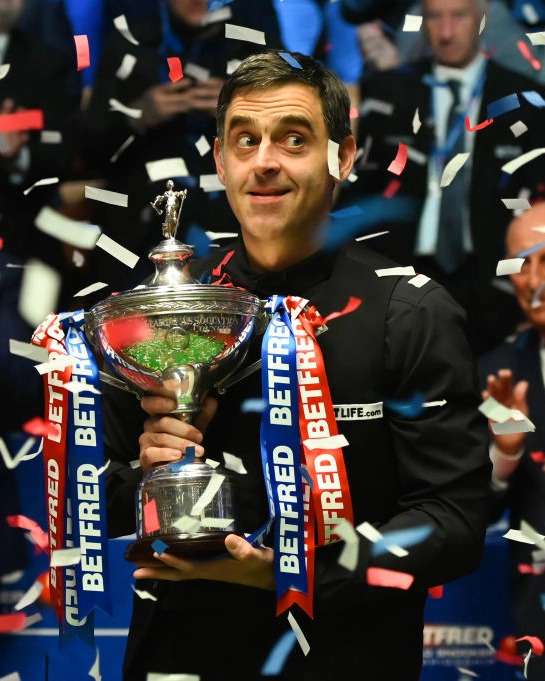
That is the promise behind a masterclass led by Ronnie O’Sullivan. Across 12 episodes and nearly 12 hours of teaching, the course is designed to move beyond isolated tricks. It addresses the foundations that shape every visit to the table: stance, cue action, sighting, cue-ball control, break-building, safety and the mental approach required to play positively when the score matters.
The appeal is obvious. O’Sullivan is not simply a player with an exceptional record. He represents a standard of fluency, touch and attacking intelligence that has changed how many people see the game. Yet a useful course cannot rest on reputation alone. Its test is whether a beginner can understand the basics without feeling overwhelmed, and whether an experienced club player can find details worth taking to the practice table.
The strongest elite instruction does both. It gives newer players a sequence to follow, while offering better players a sharper way to diagnose why a shot, safety or break repeatedly breaks down.
The Difference Between Watching and Training
There is a major difference between watching a professional make snooker look effortless and being taught how to develop a reliable process. Entertainment creates admiration. Instruction should change what happens when you address the cue ball.
A well-built course gives each area a place in the wider game. A lesson on cueing should affect long-potting confidence, stun control and positional accuracy. A lesson on safety should not be treated as defensive duty; it should show how intelligent containment can create the next scoring chance. Break-building should be presented as a chain of choices, not a hunt for whichever red looks most inviting.
This is especially valuable for players who practise regularly but cannot transfer that work into matches. In solo practice, there is time to reset after a poor shot. In a league frame, one loose positional shot can change the entire tactical picture. Elite instruction earns its place when it teaches players to recognise patterns before pressure turns simple choices into rushed ones.
Ronnie’s approach is supported by Alan McManus, whose analytical insight adds another dimension to the teaching. That matters because snooker improvement is not solely technical. A player may strike the ball cleanly yet lose frames through poor shot selection, impatience or a failure to understand the percentage option. Technical freedom and tactical discipline must work together.
Who Will Benefit Most?
The course is likely to be most valuable for three kinds of player. First, there is the committed beginner who wants to start correctly rather than spend years unlearning an unstable setup. Second, there is the regular club player whose game looks good in patches but lacks consistency. Third, there is the serious recreational competitor who wants a more professional standard of preparation and thought.
For beginners, the advantage is order. Snooker has many moving parts, and trying to improve all of them at once usually creates confusion. Structured lessons help players concentrate on one change, practise it long enough to feel the difference, then build onwards.
For the more experienced player, the value is often in the small corrections. Better alignment, a quieter delivery, more intentional pace or a clearer plan around the colours can produce gains that are far larger than they first appear. At this level, progress is rarely dramatic from one session to the next. It comes from removing the errors that repeatedly cost a chance.
Fans of Ronnie O’Sullivan will also find a deeper connection to his game than a highlights reel can offer. Seeing an iconic player explain his choices reveals the discipline beneath the natural talent. That is an encouraging lesson in itself. The best players may possess rare gifts, but their excellence is also built on clarity, commitment and a refusal to make the game harder than it needs to be.
Where Premium Instruction Has Limits
No digital course can see your cue action from the side, identify a grip that tightens under pressure or tell you that your chin is drifting off line. If you have a deeply ingrained technical issue, one-to-one coaching can still be the fastest route to correction. Video instruction is not a replacement for every coaching need.
It also cannot do the practice for you. Watching several hours of elite teaching in a weekend may feel productive, but improvement comes when a lesson is converted into a focused routine at the table. Watch a section, choose one priority, and test it across drills and matchplay. Give the adjustment time before deciding it has failed.
The trade-off is clear. Personal coaching offers immediate feedback but can be expensive, inconsistent in quality and difficult to arrange. A premium digital course offers access to a complete body of teaching whenever you need it, but asks for self-awareness and discipline from the player. Which route is best depends on your current game, available practice time and whether you need a coach to spot a physical fault in person.
For many players, the most effective approach is to combine both. Use elite instruction to establish the method and language of your practice, then seek occasional personal feedback when a specific issue refuses to move.
How to Get Proper Value From the Course
The mistake is to treat a masterclass like a television series. The better approach is to make it part of a training cycle. Begin with your honest assessment: are you missing because of poor cueing, losing position through pace control, or giving away too many easy chances through weak safety?
Choose the lesson that addresses the biggest leak in your game. Then spend two or three sessions applying only that idea. Keep a short note after each session: what improved, what felt uncomfortable, and what happened when you were under match pressure. This turns a vague intention to “play better” into evidence you can use.
Do not chase perfection too soon. A new stance or delivery can feel strange precisely because it is different from your established habit. The aim is not to manufacture a replica of Ronnie O’Sullivan. It is to develop a version of your own game that is simpler, more repeatable and better equipped for competition.
The lifetime-access model also changes the calculation. Rather than trying to absorb everything before a subscription ends, you can return to a relevant lesson as your game develops. A beginner may first need help with fundamentals; six months later, tactical thinking and break construction may become the priority. That makes a structured library more useful than a one-off burst of inspiration.
A Standard Worth Measuring Yourself Against
The Rocket Method makes the strongest case for players who are tired of fragmented advice and ready to train with intent. Its premium value is not merely that it features the most decorated player in snooker. It is that the instruction is presented as a complete system, with championship-level insight made practical for the player standing over the next ball.
If you want a quick fix, no course can honestly promise one. If you want a clearer way to practise, a stronger understanding of why shots succeed or fail, and a higher standard to bring to every frame, elite instruction is a serious investment in your game. The next time you practise, resist the urge to hit balls without purpose. Pick one lesson, give it your full attention, and let the quality of your next decision show the difference.