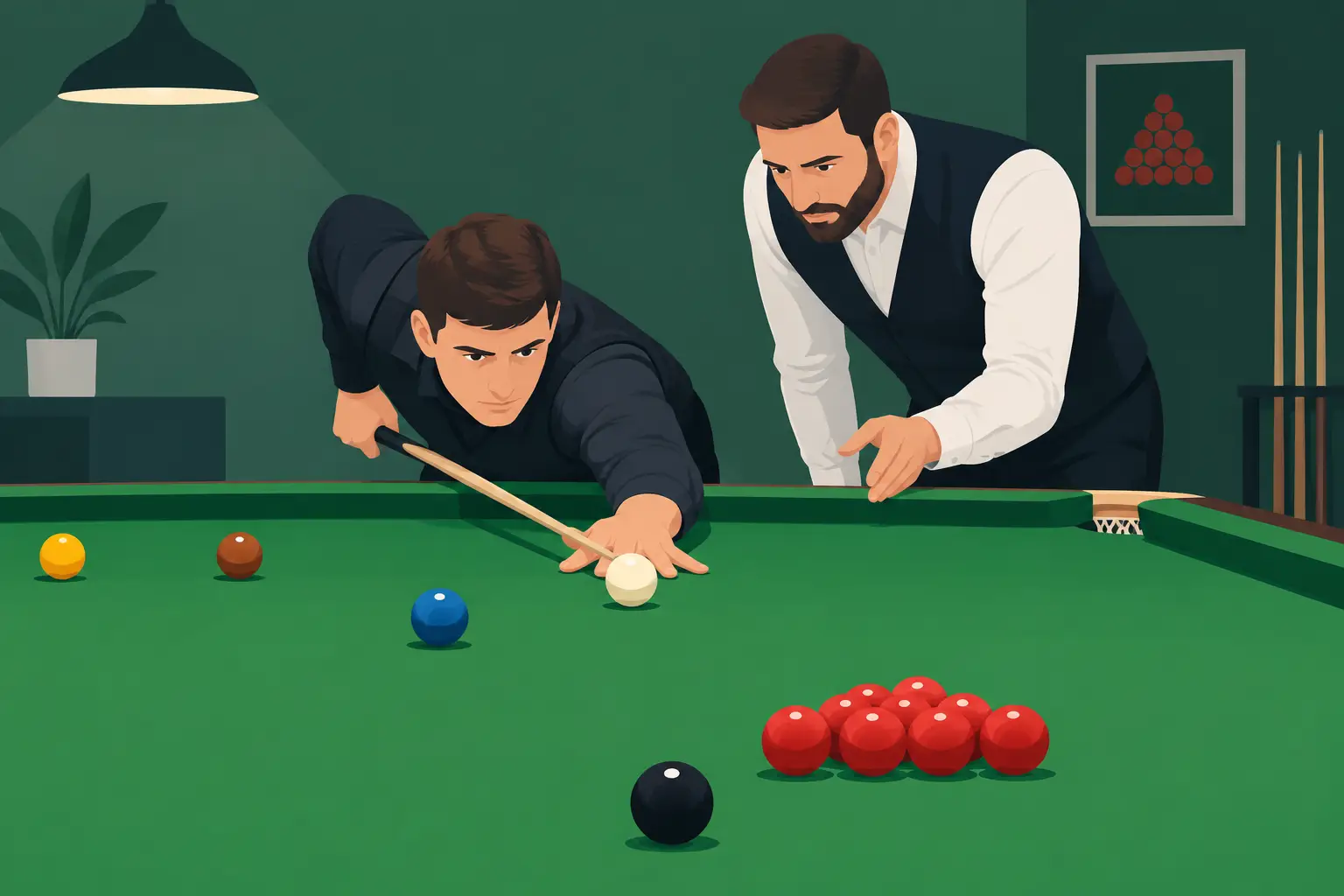
A missed blue is rarely just a missed blue. It may begin with a cue action that breaks down under pressure, an unreliable stance, poor route planning, or a decision made too quickly. That is why a one-off snooker coaching payment can be far more valuable than simply buying another piece of content: it can give your practice a clear standard, a sequence and a purpose.
For many club players, the alternative is familiar. You watch isolated clips, accept contradictory advice, spend hours hitting balls and hope repetition will eventually create consistency. It can be enjoyable, but enjoyment alone does not always move your game forward. Proper instruction shows you what to work on, why it matters and how the parts of your game connect.
The question is not whether coaching has value. It is whether a one-off purchase is the right way to access it.
What a One-Off Snooker Coaching Payment Should Give You
A single payment should not mean a single tip. It should buy access to a structured body of coaching that remains useful as your game develops. Beginners need a dependable foundation in grip, stance, alignment and cue delivery. More experienced players need sharper tools for break-building, safety, shot selection and competitive composure. The best education can serve both because the fundamentals do not stop mattering when you become better.
Lifetime access is central to the value. A lesson on the cue action may mean one thing when you are trying to stop steering the cue ball and something more refined six months later, when you are learning to generate power without losing accuracy. With ongoing access, you can return to the same material at the point it becomes relevant rather than trying to absorb everything in a few days.
That changes the relationship with coaching. Instead of renting access while a subscription is active, you build a reference library for your own table time. You can revisit a technical section before a practice session, study tactical thinking ahead of a league match, or review a key principle after a frustrating night at the club.
Why the Payment Model Matters
Monthly subscriptions suit some types of entertainment. Snooker coaching is different. Progress comes from repeating the right work, observing results and making measured adjustments. A player may watch an entire programme quickly, then spend weeks applying only a small part of it. There should be no penalty for taking that time.
A one-off payment gives you certainty. You know the cost before you begin, and you are not weighing up another renewal while your technique is still bedding in. For players who want a serious course rather than an endless feed of videos, that simplicity matters.
It also encourages a more disciplined approach. When you have chosen a complete course, you can follow its method rather than constantly switching between voices. Snooker is precise enough without introducing confusion about whether your feet, bridge hand or backswing should change every fortnight.
There is a trade-off. A subscription may appear cheaper at the start, particularly if you only intend to watch casually for a month. But the lower monthly figure can conceal the total cost over a year or two. More importantly, it can create a false sense of progress. Access is not improvement. Focused practice is.
Compare Coaching by Depth, Not by Price Alone
The cheapest option is not always the most economical, and the most expensive option is not automatically the best. Before making a one-off snooker coaching payment, assess what you are actually receiving.
First, look for a coherent curriculum. Random drills and highlight-reel shots are not a teaching system. A serious programme should move from how you address the table to how you control the cue ball, construct breaks, manage risk and compete with greater clarity. Each subject should support the next.
Second, consider the quality and authority of the coach. Great players are not always great teachers, but the highest-level experience brings a rare understanding of what holds up when the pressure rises. The most useful instruction combines elite standards with clear explanations that an ordinary player can apply on their next visit to the club.
Third, assess production properly. This is not about glossy footage for its own sake. Snooker is full of details that are easy to miss from the wrong camera angle: bridge position, sighting line, cueing rhythm, contact point and stance balance. Professional filming, close-up demonstrations and thoughtful pacing make technical instruction easier to understand and revisit.
Finally, be honest about your own commitment. No course can pot the balls for you. If you are unlikely to practise, a one-off purchase will not become valuable simply because access lasts forever. But if you regularly play, feel stuck, or want to train with intent, permanent access allows the learning to keep pace with your ambition.
From Watching Advice to Building a Better Game
The strongest coaching does not ask you to rebuild everything overnight. That is usually a route to frustration. It gives you a priority, a way to test it and enough context to recognise whether you are improving.
Take cue-ball control. A player may assume the issue is spin, when the real fault lies earlier in the shot: poor alignment, a tight grip or a head that lifts through the strike. Working only on the contact point will not solve a delivery problem. Structured coaching helps you identify the cause before you chase the cure.
The same applies to tactics. Many frames are lost before a difficult pot is attempted. Choosing when to attack, when to play safe, where to leave the cue ball and which colour offers the best route are decisions that separate occasional good breaks from reliable scoring. A better player does not simply pot more balls. They create better chances and leave fewer for their opponent.
That is why learning from a complete masterclass is different from collecting tips. It gives technical work a competitive purpose. You are not practising a long red merely to tick off a drill. You are improving your ability to start a break, control the table and make stronger decisions when the frame is there to be won.
Who Benefits Most From a One-Off Purchase?
Adult beginners can gain enormous value, provided they use the material patiently. Starting with sound fundamentals is easier than unpicking habits later. The aim is not to imitate a professional perfectly on day one. It is to understand the principles that make a repeatable action possible.
Established recreational players may benefit even more. They often know enough to recognise their weaknesses, but lack a dependable process for correcting them. Perhaps they pot well in practice but struggle in matches, lose position after the first few shots, or cannot trust their cueing when a straightforward ball carries pressure. Quality coaching turns those vague frustrations into practical work.
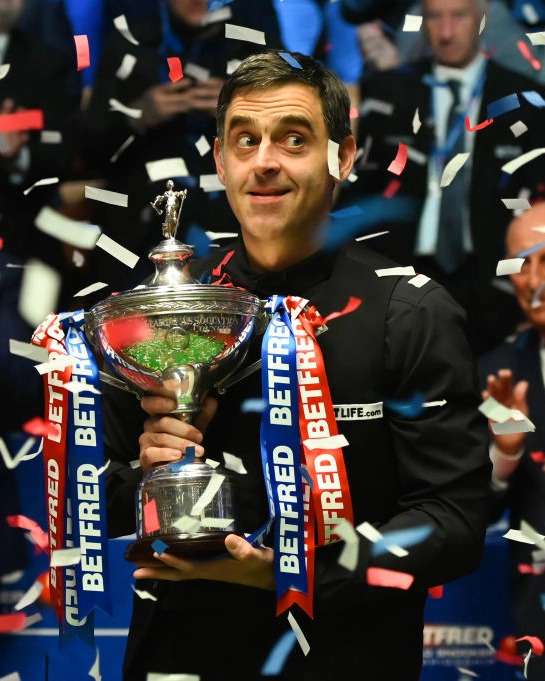
Serious amateurs and league players need more than technique alone. They need a clearer match mindset, better tactical discipline and a training structure that respects the demands of competitive snooker. Learning from Ronnie O’Sullivan’s experience, supported by the analytical insight of Alan McManus, brings professional-level thinking within reach of players who may never have access to that environment in person.
The format also works for clubs, coaching groups and organisations. A shared training resource can create a common language around technique and practice, while giving individual players the freedom to learn at their own pace.
Make the Investment Work at the Table
Treat your purchase as the beginning of a programme, not the end of a transaction. Watch a section, take one or two clear ideas to the table and give them time. Film your action if possible, or ask a trusted playing partner to observe one specific point. Then return to the lesson with better questions.
Avoid changing five things at once. If you are working on staying still on the shot, do not simultaneously overhaul your grip, bridge and backswing. Improvement is easier to recognise when the task is narrow. Once one element feels dependable, move to the next.
Keep a simple practice record as well. Note what you trained, what broke down and what improved. Over time, this reveals patterns that memory hides. Perhaps your long potting is sound until you rush the pre-shot routine, or your positional play fades when you stop choosing a precise cue-ball zone. Those details are where better results begin.
A one-off coaching payment is worth it when it gives you more than access. It should give you a lasting standard to train against, elite knowledge you can revisit, and a more intelligent way to spend every hour at the table.