
A busy club night can reveal the same problem in several forms: one player cannot settle over the cue ball, another pots well but loses frames through poor safety choices, and a third has been playing for years without knowing why progress has stalled. A group snooker training membership gives everyone access to a shared standard of instruction, rather than leaving development to scattered tips, guesswork and whoever happens to be the strongest player in the room.
For clubs, workplaces, academies and organised groups, the real value is not simply giving more people something to watch. It is creating a better training culture: clearer language around technique, better practice sessions, stronger match play and a reason for players to keep returning to the table with purpose.
Why clubs need a group snooker training membership
Most clubs have talent, enthusiasm and tables. What they often lack is a coherent way to help members improve. Informal advice has its place, but it can be inconsistent. One person advocates a long backswing, another tells players to shorten it. A beginner can leave a session with three different fixes for the same missed red and no clear way to judge which one is right.
A structured group programme changes that. Members can work from the same elite principles of stance, cue action, sighting, shot selection and mindset. The club is no longer relying on occasional coaching visits or fragmented online clips. It has a high-quality resource that can support practice across the whole year.
That matters because snooker is a game of small margins. A cueing fault may only show itself under pressure. A poor safety decision may look harmless until it costs a close frame. Players need more than a list of shots to practise. They need to understand the reasons behind sound technique and intelligent table management.
For an organiser, a group membership also brings order. Instead of trying to arrange a programme around every individual schedule, members can learn when it suits them, then bring those lessons back into club practice. That makes development more accessible without lowering the standard.
The difference between access and real training
There is no shortage of free snooker content. The difficulty is that it is rarely organised into a progression. A player may watch a break-building clip one evening, a tip on screw the next, then a video about safety play the following week. Each may be useful, yet the overall result is often confusion.
Real training has a sequence. It starts with the foundations that make repeatable cue delivery possible, then builds towards positional play, tactical awareness and competitive composure. Players should be able to identify what they are working on, why it matters and how it connects to the next stage of their game.
That is particularly valuable in a group. Beginners need an approachable route into the sport, while experienced members want detail that challenges habits built over years. The same professional instruction can serve both, provided it is sufficiently complete. A new player may focus on alignment and a still head; a league regular may take more from reading risk, controlling the cue ball and making better decisions when the frame is tight.
It depends, of course, on how the group uses the material. A membership will not improve anyone who never practises. But when members set aside regular table time and discuss what they are learning, instruction becomes action. The best clubs create that bridge deliberately.
What elite instruction gives every player
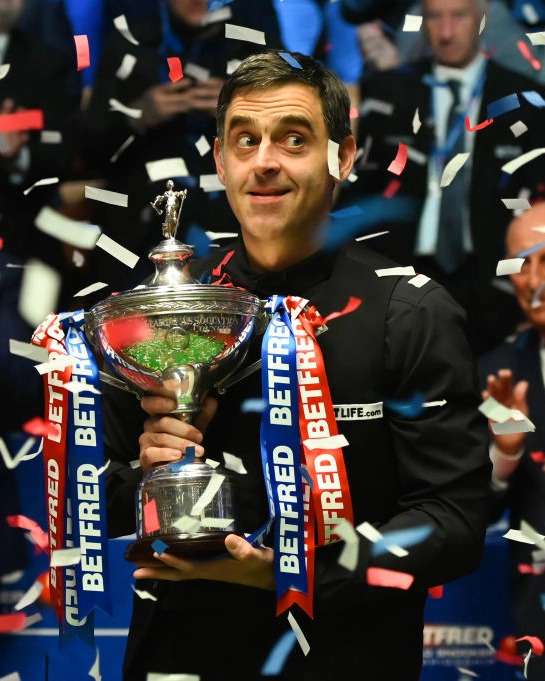
Learning from the highest level of the sport is not about copying a champion’s mannerisms. It is about understanding the principles that hold up when pressure rises. Ronnie O’Sullivan’s achievement is built on more than natural talent. It reflects exceptional clarity in preparation, cue action, shot choice and the freedom to play with conviction.
A premium digital course gives group members the opportunity to study those standards in depth. They can revisit a lesson before practice, pause key demonstrations, and return to a subject after a difficult match. That repeat access is a major advantage over a one-off session, where useful detail can be forgotten by the time a player gets back on the table.
The Rocket Method is designed around this depth. Its 12 episodes and nearly 12 hours of instruction bring together Ronnie O’Sullivan’s playing knowledge with the insight of Alan McManus, filmed to the standard the game deserves. It is serious coaching content, presented with the clarity to benefit the club player who wants to stop missing routine balls and the ambitious amateur who wants a sharper competitive edge.
For a group, that credibility matters. Members know the instruction is not another collection of opinions. It comes from people who have performed under the greatest pressure the sport can offer.
Turning membership into a better club programme
The strongest results come when a club treats its membership as part of its playing calendar, rather than a passive benefit. There is no need to make every session formal or heavy-handed. The point is to give members a practical focus and let the table provide honest feedback.
A club might begin a month with fundamentals, encouraging members to study stance, grip and cue delivery before using practice time to observe their own routines. The next month could move to cue-ball control and positional routes. Later sessions can focus on safety exchanges, break-building choices or how to respond after a costly error.
This approach gives social play more purpose without removing its enjoyment. A mixed-ability evening can still be relaxed, but players will have a common subject to discuss. Instead of saying, “I just cannot cue straight tonight,” they can identify whether the issue began in their set-up, their delivery or their commitment to the shot.
It also creates natural ways for stronger players to help others. The best player in the room does not need to become the coach. They can simply support a shared lesson by setting a relevant drill, watching a routine or talking through a safety option. That is more useful than handing out contradictory fixes from memory.
Build practice around measurable outcomes
Vague practice produces vague improvement. A player who spends an hour knocking balls around may enjoy the table time, but they may not know whether their game has moved forwards. Group sessions work better when the target is specific: potting a set percentage of routine reds, landing the cue ball in a defined area, escaping a safety with control, or completing a simple colours routine consistently.
The target should suit the player. Beginners should not be judged against advanced break-building standards, and strong players should not hide inside easy drills. A good group environment allows each member to work at the right level while following the same wider lesson.
Keep competitive players engaged
League players and serious recreational competitors can sometimes assume that foundational instruction is beneath them. Usually, the opposite is true. Under match pressure, even experienced players return to their basics. They rush the approach, misjudge pace, force a low-percentage pot or abandon a sound safety plan after one mistake.
High-level instruction gives these players a framework for reviewing their games honestly. Rather than blaming the table, the opponent or bad luck, they can ask better questions. Was the shot selection right? Was the cue ball controlled with enough margin? Did they follow the routine that works in practice?
That mindset can lift the standard of the entire club. When better players value disciplined preparation, newer members quickly see that improvement is earned through quality repetition, not simply more years around a table.
A smarter investment than recurring subscriptions
For organisations, cost needs to make sense as well as the coaching. A one-off purchase with lifetime streaming access offers a clear advantage over another monthly subscription that must be justified again and again. The group gains a lasting training asset which can support current members, new joiners and future programmes.
This is especially useful where attendance changes through the season. Not every member will engage at the same pace, and that is fine. Some will watch closely before a league campaign, while others may return to a lesson after recognising a specific weakness. Lifetime access respects how players actually learn.
Before choosing a group solution, organisers should consider the number of users, the range of ability in the membership and the kind of culture they want to build. A small social club may use the course to make play more rewarding and retain newer members. A competitive academy may build structured training blocks around it. The format changes, but the standard does not.
The best group snooker training membership does more than fill quiet hours at the club. It gives every player a clearer next step, and gives the group a shared ambition worth practising for.